

 Hotline Call Centre: 1500 674 (MSI)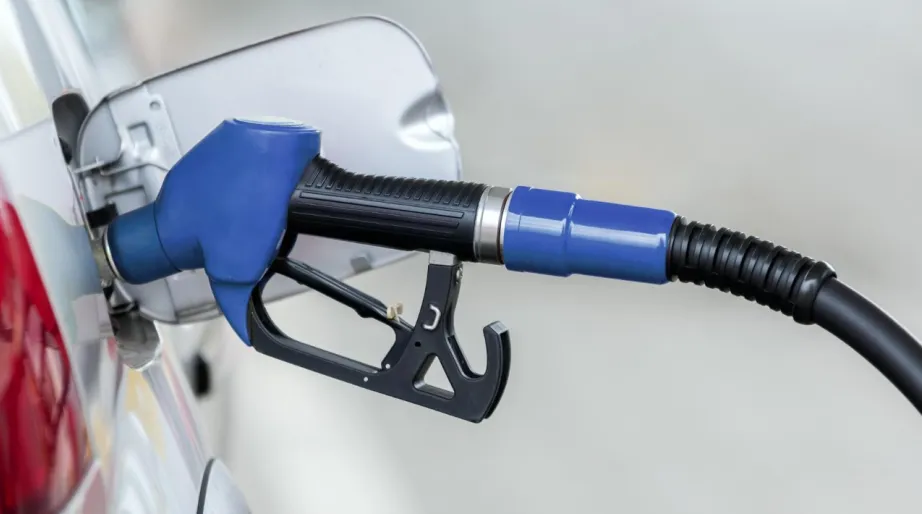
When filling up your car, you might have noticed different types of fuel with varying names and numbers. It’s common for drivers, especially beginners, to ask a simple question: Is it okay to mix different fuels? Is it safe for your engine, or could it pose risks?
To understand this, it’s important to know the basics of fuel differences. One of the most frequently discussed aspects is octane rating, which measures a fuel’s ability to withstand pressure before igniting in the engine. Common examples include 90, 92, or 95 octanes. The higher the octane, the more stable the combustion, especially in high-compression engines. This explains why every car has a recommended type of fuel.
For additional insights on driving safety and vehicle care, you can also read this article: “Is It Safe to Drive an Electric Car in the Rain? Here’s What You Need to Know."
Is It Safe to Mix Fuel for Your Car?
In general, mixing fuels with different octane ratings does not immediately damage the engine. In certain situations, such as when your usual fuel is unavailable, mixing fuels is often considered a temporary solution.
However, mixing fuel for cars is not recommended as a regular habit. Car engines are designed to operate optimally with a specific type of fuel. Using fuel that doesn’t match the specifications can reduce engine performance, even if the effects are not immediately noticeable.
Reasons Why Mixing Fuel Is Not Recommended
To make it easier to understand, here are several reasons why mixing fuel should be approached with caution:
- Differences in Octane Rating
Mixing high and low octane fuels results in an average that may not meet your engine’s requirements. - Suboptimal Combustion
Engines need stable combustion to operate efficiently. Mixed fuel can reduce combustion efficiency and increase fuel consumption. - Risk of Engine Knocking
Using fuel with too low an octane can trigger knocking, which occurs when fuel ignites too early, potentially damaging engine components. - Long-Term Effects
Even if it seems safe occasionally, habitually mixing fuel can accelerate engine wear over time.
Tips to Maintain Your Car’s Longevity with the Right Fuel
To keep your car running smoothly and comfortably, choosing the right fuel is essential. Here are some practical tips:
- Use Fuel According to Manufacturer Recommendations
The recommended octane rating is usually listed in your car’s owner manual. - Avoid Mixing Fuel Regularly
If you must mix fuel in an emergency, switch back to the recommended fuel as soon as possible. - Monitor Engine Performance
If the engine feels sluggish, less responsive, or makes unusual noises, it may indicate that the fuel is not suitable. - Perform Regular Maintenance
Routine servicing helps maintain optimal combustion and prolongs engine life.
Understanding your car’s fuel type is one of the first steps in maintaining your vehicle wisely. By choosing the right fuel and avoiding the habit of mixing, you can keep your car performing optimally over the long term.
However, vehicle risks can come from anywhere. That’s why having Motor Vehicle Insurance from MSIG Indonesia is a smart way to provide comprehensive protection for your car.
With the right coverage, you can drive with peace of mind in any situation. Learn more about this product and get direct assistance from our marketing representatives.