

 Hotline Call Centre: 1500 674 (MSI)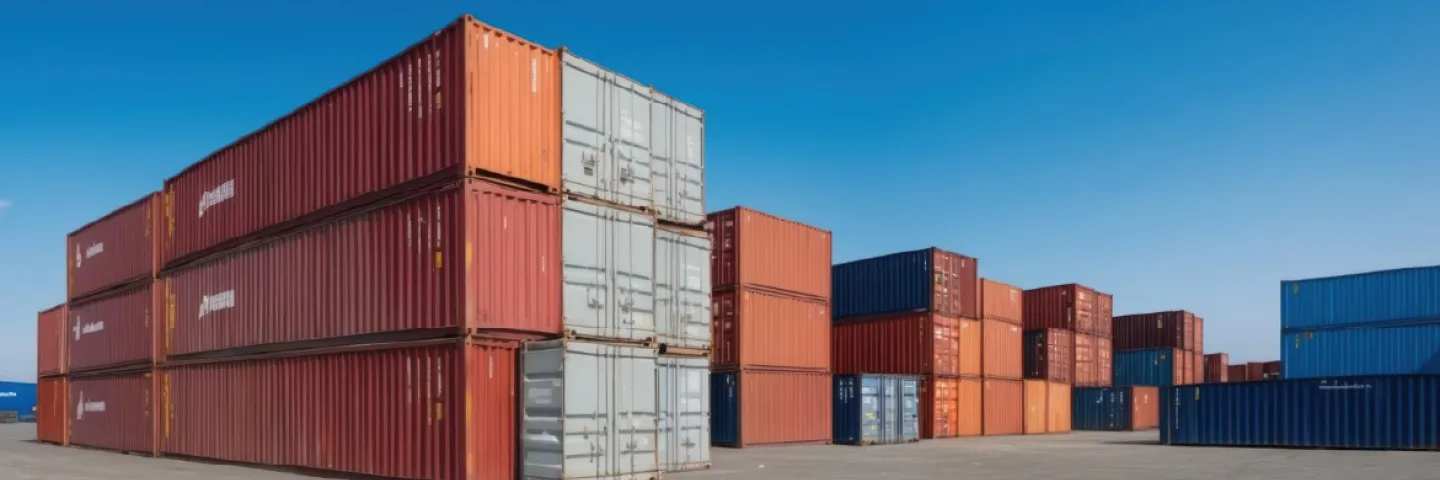
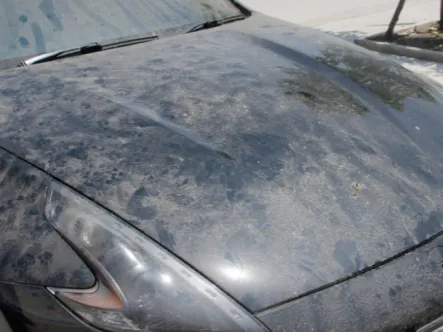
Condensation occurs when warm, moisture-laden air inside a shipping container cools below its dew point, causing water droplets to form on the container's walls, ceiling, or cargo. This is a major cause of cargo damage during transport and storage, affecting up to 10% of containerized goods worldwide.
Types of Condensation in Containers
- Container Rain. Water accumulates on the ceiling and drips onto cargo after significant temperature changes.
- Container Sweat. Moisture forms on the container's interior walls during rapid cooling.
- Cargo Sweat. Condensation develops directly on the cargo when it remains colder than the surrounding air.
Primary Causes of Condensation in Container
- Temperature fluctuations: Metal containers heat and cool rapidly, especially during ocean transport or extreme weather.
- Moisture in cargo and packaging: Hygroscopic materials such as wood, paper, textiles, and food release moisture into the air.
- Container breathing: Daily temperature changes cause air to expand and contract, drawing humid air into the container.
- Poor ventilation: Standard container vents often cannot remove enough moisture.
- Excess empty space: More air inside the container means greater moisture capacity and condensation risk.
Consequences of Condensation in Container
- Corrosion and rust on metal products.
- Mold and fungal growth.
- Warping and deformation of materials.
- Damaged packaging and collapsed pallets.
- Unpleasant odors.
- Caking or hardening of bulk materials such as cement or flour.
Prevention Methods
- Reduce moisture sources: Use kiln-dried pallets, dry packaging, and inspect containers before loading.
- Use desiccants: Calcium chloride is the most effective, silica gel and composite desiccants are also common. Proper quantity depends on container size, cargo type, transport duration, and climate.
- Improve ventilation: Add ventilation where appropriate and ventilate only under suitable temperature conditions.
- Insulate containers: Polyurethane foam, insulation panels, liners, and anti-condensation coatings help stabilize temperatures.
- Protect cargo: Use moisture-barrier packaging, vacuum sealing, and absorbent blankets.
- Monitor conditions: Temperature and humidity data loggers allow continuous tracking during transport.
Industry Standards
The article references key standards, including:
- DIN 55474, calculating desiccant requirements.
- ISO 1496-1, container construction requirements.
- EN 12195-1, cargo securing guidelines.
Real-World Examples
- Electronics shipped from China to Europe remained moisture-free by using 10 kg of calcium chloride desiccant and barrier packaging.
- Food shipments failed because damp cardboard packaging introduced excessive moisture despite desiccant use.
- Construction materials stored without insulation or desiccants suffered cement caking and rust, which were resolved after adding ventilation and moisture control.
Hopefully, the above information enriches your knowledge about container condensation, its causes, and the solutions to prevent and mitigate it. For more information about MSIG Indonesia’s insurance products, please visit our official website at www.msig.co.id or call our contact center at 1500 674 (MSI) to find comprehensive information and interactive services.