


 Hotline Call Centre: 1500 674 (MSI)
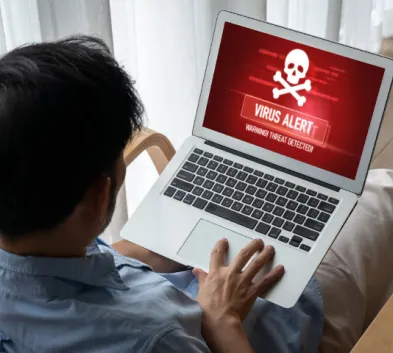
Many people never imagine losing access to the data stored on their personal devices. If everything works normally, that information is often taken for granted and expected to be available whenever it is needed. Yet, our reliance on digital data continues to grow, making even a minor disruption capable of affecting daily activities.
That situation can change quickly. Malware can compromise systems, damage data, or prevent users from accessing important information stored on their devices. When this happens, the impact is often far greater than most people expect.
To learn more about cyber threats that can put your personal information at risk, you may also read our article, Recognizing Phishing and 5 Practical Ways to Avoid Financial and Data Theft. Understanding cyber risks early can help you better protect your personal data.
What Is Malware?
Malware is a type of malicious software designed to infiltrate a system without the user's knowledge. Once inside, it can disrupt device operations and compromise the security of the data stored within the system.
One of the challenges of malware is that it often operates quietly in the background. Many users only become aware of its presence after experiencing system issues or discovering that important data can no longer be accessed as expected.
For this reason, understanding the risks associated with malware is an important step for anyone who regularly relies on digital devices.
How Does Malware Get into a Device?
In many cases, malware takes advantage of vulnerabilities that appear harmless at first glance. Everyday online activities can become entry points when users are unaware of the risks involved.
These threats often originate from interactions with sources whose security cannot be verified. Once malware gains access to a system, it can operate unnoticed and continue spreading until it causes more significant disruptions.
This highlights an important reality that digital security depends not only on technology but also on the habits and decisions users make every day.
The Often-Overlooked Impact of Malware
Many people assume that malware simply causes a device to slow down or function improperly. Its impact can extend much further and affect critical aspects of a person's digital life.
When data becomes inaccessible, important tasks can be disrupted. Users may spend considerable time recovering systems, restoring affected files, or ensuring their devices can be used safely again.
In some situations, recovery efforts require professional assistance. As a result, malware's consequences aren't limited to technical issues. They can also involve unexpected expenses needed to restore both systems and data.
What to Do If You Suspect a Malware Infection
When a device begins showing unusual behavior, acting early can help reduce the risk of more serious consequences.
1. Stop Activities That Could Worsen the Situation
If there are signs that a device has been affected by malware, it is advisable to avoid activities involving sensitive information until the device can be confirmed as secure. This helps minimize additional risks during the investigation process.
2. Perform a System Security Check
A thorough security scan can help determine whether an active threat is present on the device. It can also provide valuable insight into the steps needed to resolve the issue effectively.
3. Secure Accessible Data
If some data is still available, it is important to protect or back it up as soon as possible. Prompt action can reduce the likelihood of further data loss if the system's condition worsens.
4. Consider Professional Assistance
Certain cases require more advanced expertise to ensure that the threat has been completely removed. Professional support can assist with system analysis, data recovery, and overall device security.
5. Review Your Digital Security Practices
Once the device is operating normally again, it is worth reassessing the security measures currently in place. This can help reduce the likelihood of encountering similar incidents in the future.
Losing access to data often happens without warning. While preventive measures can reduce risk, malware remains a threat that should never be overlooked, especially as cyber risks continue to evolve alongside increasing digital activity.
When an incident occurs, recovery often requires time, effort, and financial resources. That is why having the right protection in place is an important part of managing today's increasingly complex digital risks.
Personal Lines Cyber Insurance from MSIG Indonesia can help provide protection against a range of digital risks, including expenses related to data recovery following a malware infection. With the right coverage, you can enjoy greater peace of mind in your digital activities and focus on what matters most. Learn more about this solution and speak with our marketing representatives for further assistance.