


 Hotline Call Centre: 1500 674 (MSI)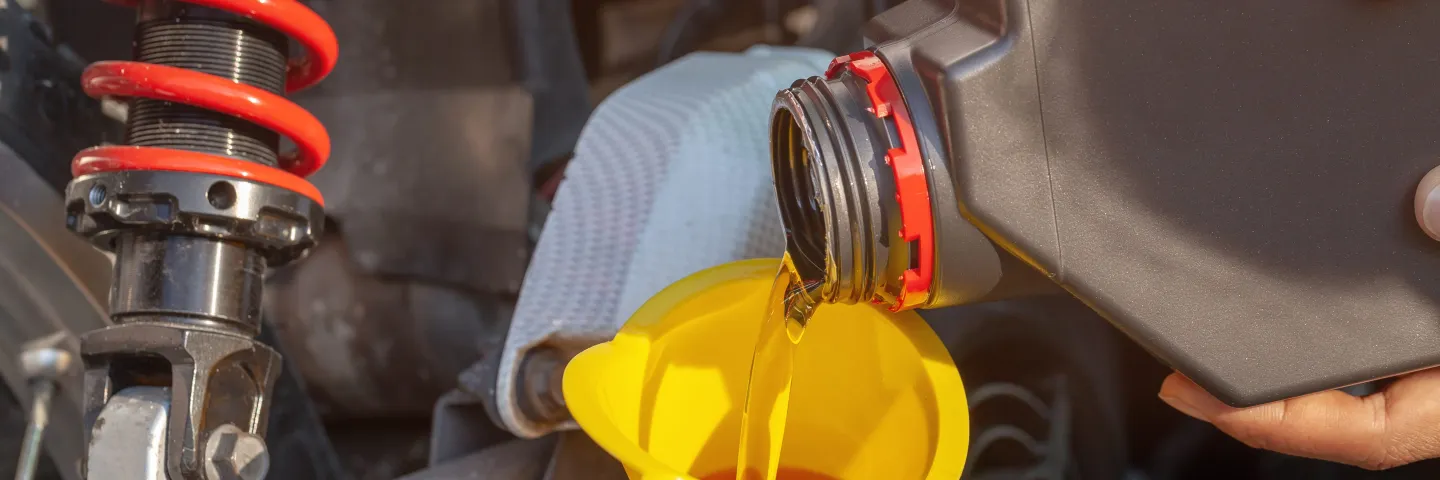
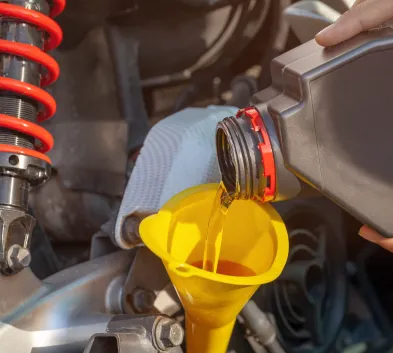
Motorcycle oil is often referred to as the "lifeblood" of your engine, and it is for good reason. While it may seem like a small part of maintenance, regularly changing your motorcycle oil is one of the most crucial steps to keep your engine healthy, long-lasting, and powerful.
Unfortunately, many riders postpone oil changes due to time constraints or budget concerns, not realizing how damaging that delay can be in the long run.
Before we dive into the key benefits and risks, it's also important to make sure your riding habits are safe and well-rounded. Check out these tips on how to brake properly in dry and wet conditions to help you stay safer on the road.
Benefits of Changing Your Motorcycle Oil Regularly
Here are some key benefits of sticking to a consistent oil change schedule:
- Protects Engine Components
Clean oil lubricates internal engine parts, preventing direct friction between components like pistons, cylinders, and gears. This helps reduce early wear and prolongs the engine’s lifespan. - Maintains Optimal Engine Performance
Fresh oil ensures smoother, more responsive acceleration. You’ll notice lighter throttle response and a quieter, more stable engine sound. - Regulates Engine Temperature
Oil helps absorb and distribute heat generated from engine combustion. Old or degraded oil loses this ability, increasing the risk of overheating. - Improves Fuel Efficiency
Efficient engine performance means less strain on the motor and that translates into better fuel economy. Clean oil helps your engine run smoothly and use less gas. - Extends the Life of Your Motorcycle
Consistent maintenance, including oil changes, keeps your bike in top condition and reduces the risk of serious mechanical issues down the road.
Risks of Delaying Oil Changes
Ignoring or delaying oil changes can lead to costly problems, such as:
- Increased Friction and Engine Wear
Old oil thickens and collects combustion residue, which leads to poor lubrication and greater wear on internal engine parts. - Heavier Acceleration and Overheating
Your bike may feel sluggish and harder to ride because the engine has to work harder. Inadequate lubrication can also cause the engine to heat up faster. - Shorter Engine Lifespan
A neglected engine working under poor oil conditions will wear out faster, reducing the overall life of your motorcycle. - Higher Repair Costs
Skipping oil changes may eventually result in severe engine damage, requiring costly repairs, or even a full engine overhaul.
So, When Should You Change Your Motorcycle Oil?
As a general rule, motorcycle oil should be changed every 3,000–5,000 kilometers for standard manual bikes (like non-matic or sport types), and every 2,000–3,000 kilometers for scooters or automatic motorcycles.
That said, oil change intervals also depend on several factors, such as your total mileage, oil quality, and riding conditions. Frequent stop-and-go traffic, dusty roads, or rough terrain may require you to change oil sooner than average.
Don’t wait until your engine feels rough or, worse, breaks down mid-ride. Start with the basics, take care of your motorcycle by keeping its oil clean and fresh.
To ensure maximum protection for your motorcycle, enhance your peace of mind with Motor Vehicle Insurance from MSIG Indonesia. Learn more about this product and get direct support from our marketing team.