


 Hotline Call Centre: 1500 674 (MSI)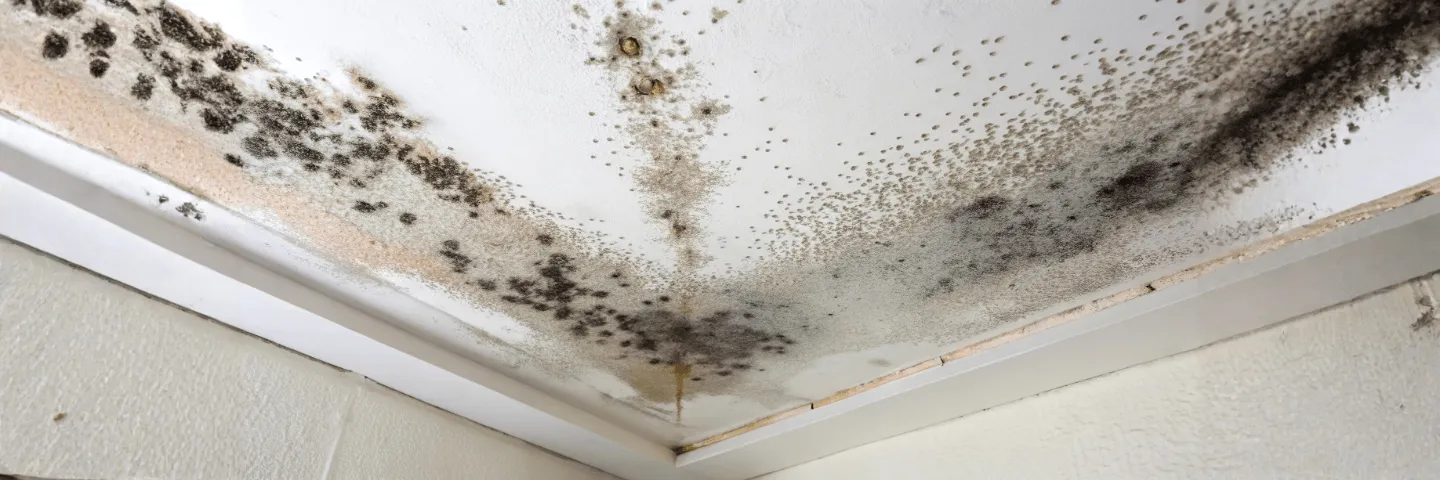
A home is more than just a place to sleep. It is where families come together, share daily routines, and create memories. Keeping your living space clean and well-maintained not only provides comfort but also supports the overall health and well-being of everyone in the household.
Sometimes, hidden issues can affect a home without being immediately noticeable. One of the most common problems is mold growth in damp areas. Among these, black mold becomes a particular concern.
Black mold thrives in areas with high humidity and can appear on walls, ceilings, wooden surfaces, or other materials exposed to moisture. If left untreated, it can compromise both indoor air quality and the integrity of the home itself.
Creating a healthy home environment goes hand in hand with regular maintenance. You can also explore ways to make your home more energy-efficient and eco-friendly in this article on modern green homes: https://www.msig.co.id/article/green-modern-home-trends-how-solar-power-can-make-your-home-more-efficient-eco-friendly.
The Dangers of Black Mold and Where It Appears
Black mold grows in areas with poor ventilation and consistent dampness. Its dark appearance makes it easily noticeable on surfaces like walls, ceilings, and wood.
Beyond its visual impact, black mold can affect health. Airborne spores may trigger respiratory issues or allergic reactions, particularly for sensitive individuals. The musty odor it produces can make indoor spaces feel uncomfortable.
Black mold also poses risks to the home itself. Over time, mold can damage paint, wood, and other materials, potentially weakening structures if moisture persists. Left unchecked, it can accelerate wear and lead to costly repairs.
Bathrooms, kitchens, and areas near water sources are particularly vulnerable. Mold can also develop in corners with limited airflow or on ceilings affected by leaks. These areas require regular attention to prevent long-term damage.
What Causes Black Mold
Mold growth is largely driven by moisture. Poor ventilation traps humid air inside, creating ideal conditions for spores to grow.
Leaking pipes, damaged roofs, or water intrusion in walls further increase moisture levels. Surfaces that remain damp for long periods provide an environment where black mold can thrive.
Dust and dirt accumulation can also support mold growth, emphasizing the importance of regular cleaning alongside moisture control.
How to Prevent Black Mold in Your Home
Maintaining a healthy home requires consistent attention to both cleanliness and humidity management. Here are key steps to reduce the risk of black mold:
1. Ensure Proper Ventilation
Good airflow helps prevent moisture from building up in rooms, keeping surfaces dry.
2. Control Indoor Humidity
Use ventilation or humidity control tools to maintain balanced moisture levels and prevent mold growth.
3. Check for Leaks Regularly
Inspect pipes, roofs, and walls to prevent water seepage that can encourage mold development.
4. Clean Regularly
Routine cleaning minimizes dust and dirt, which can serve as breeding grounds for spores.
The home is where we rest and spend time with our family every day. That is why it is important to ensure it is protected from potential risks.
Consider MSIG Home Shield Insurance from MSIG Indonesia, which provides comprehensive protection for your home and valuable assets. Learn more about this product and get direct assistance from our marketing team.