Hotline Call Centre: 1500 674 (MSI)
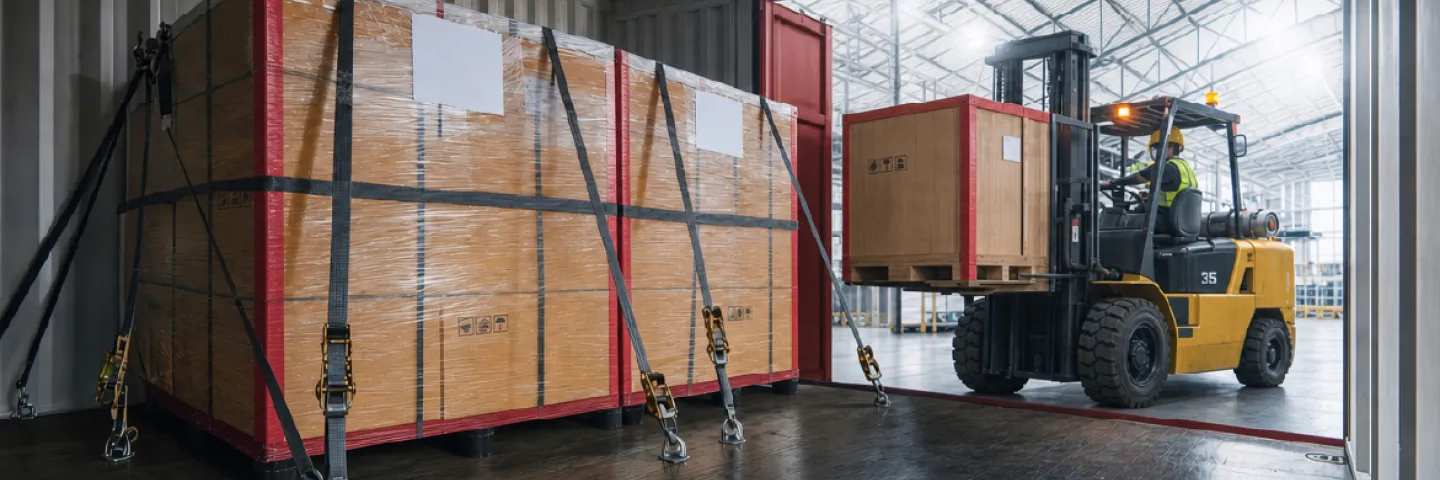
The accelerations acting on a ship in a seaway result from a combination of longitudinal, vertical and predominantly transverse motions. The forces created by these accelerations give rise to the majority of securing problems. The hazards arising from these forces should be dealt with by taking measures both to ensure proper stowage and securing of cargoes on board and to reduce the amplitude and frequency of ship motions.
In this regard, the Assembly adopted the Code of Safe Practice for Cargo Stowage and Securing (CSS Code) in November 1991 by resolution A.714(17). The Assembly recommended that Governments implement the Code at the earliest possible opportunity and requested the Maritime Safety Committee to keep it under review and amend it as necessary.
In this regard, the CSS Code has undergone subsequent changes over the years as follows: MSC/Circ.664; MSC/Circ.691; MSC/Circ.740; MSC/Circ.812; MSC/Circ.1026; MSC.1/Circ.1352; MSC.1/Circ.1352/Rev.1.
Purpose
The purpose of the CSS Code is to provide an international standard to promote the safe stowage and securing of cargoes by:
- Drawing the attention of shipowners and ship operators to the need to ensure that the ship is suitable for its intended purpose;
- Providing advice to ensure that the ship is equipped with proper cargo securing means;
- Providing general advice concerning the proper stowage and securing of cargoes to minimize the risks to the ship and personnel;
- Providing specific advice on those cargoes which are known to create difficulties and hazards with regard to their stowage and securing;
- Advising on actions which may be taken in heavy sea conditions; and
- Advising on actions which may be taken to remedy the effects of cargo shifting.
In providing such advice, it should be borne in mind that the Master is responsible for the safe conduct of the voyage and the safety of the ship, its crew and cargo.
General Principles
In order to minimize risks associated with cargo handling and transportation at sea, the CSS Code provides guidance based on the following key principles:
- All cargoes should be stowed and secured in such a way that the ship and persons on board are not put at risk.
- The safe stowage and securing of cargoes depend on proper planning, execution and supervision.
- Personnel commissioned to cargo stowage and securing tasks should be properly qualified and experienced.
- Personnel planning and supervising the stowage and securing of cargo should have a sound practical knowledge of the application and content of the Cargo Securing Manual.
- In all cases, improper stowage and securing of cargo will be potentially hazardous to the securing of other cargoes and to the ship itself.
- Decisions taken for measures of stowage and securing cargo should be based on the most severe weather conditions which may be expected by experience for the intended voyage.
- Ship-handling decisions taken by the master, especially in bad weather conditions, should take into account the type and stowage position of the cargo and the securing arrangements.
Adherence to these operational considerations forms a vital part of effective cargo safety management on board.
For more information about MSIG Indonesia’s insurance products, please visit our official website at www.msig.co.id or call our contact center at 1500 674 (MSI) to find comprehensive information and interactive services.