Hotline Call Centre: 1500 674 (MSI)
A vessel is a large ship or floating craft specifically designed to carry substantial amounts of cargo by sea, whether in containers, bulk goods, liquids, or vehicles.
In logistics and international trade, the term vessel is used formally and technically to refer to all types of commercial cargo ships. Unlike ordinary boats, vessels have much greater cargo capacity and are built for long-distance voyages between ports. Today, about 90% of global trade is carried by sea using vessels (UNCTAD, 2023).
The Difference Between a Vessel, a Ship, and an Ordinary Boat
Although often used interchangeably, these three terms have different contexts in the maritime world.
- Vessel. Formal/technical terms in maritime law and logistics, covering all types of ships and official floating equipment.
- Ship. A general term for large ships (passenger, military, or cargo).
- Ordinary Boat. Referring to smaller vessels, including boats, local ferries, or fishing boats.
In other words, all ships are vessels, but not all vessels are ships. "Vessel" can also include smaller units, such as barges, tugboats, or supply boats.
Six Types of Vessels Based on Their Function and Use
Container Vessel (Container Ship)
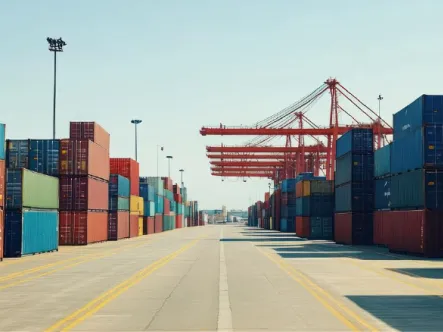
A container vessel is a type of ship specifically designed to carry thousands of standard containers, either 20-foot (TEU) or 40-foot (FEU), in a single voyage.
Container ships are the backbone of the modern global supply chain and are most commonly seen at major ports around the world. The innovation of using standardized containers is considered one of the greatest revolutions in the history of global trade.
Bulk Carrier
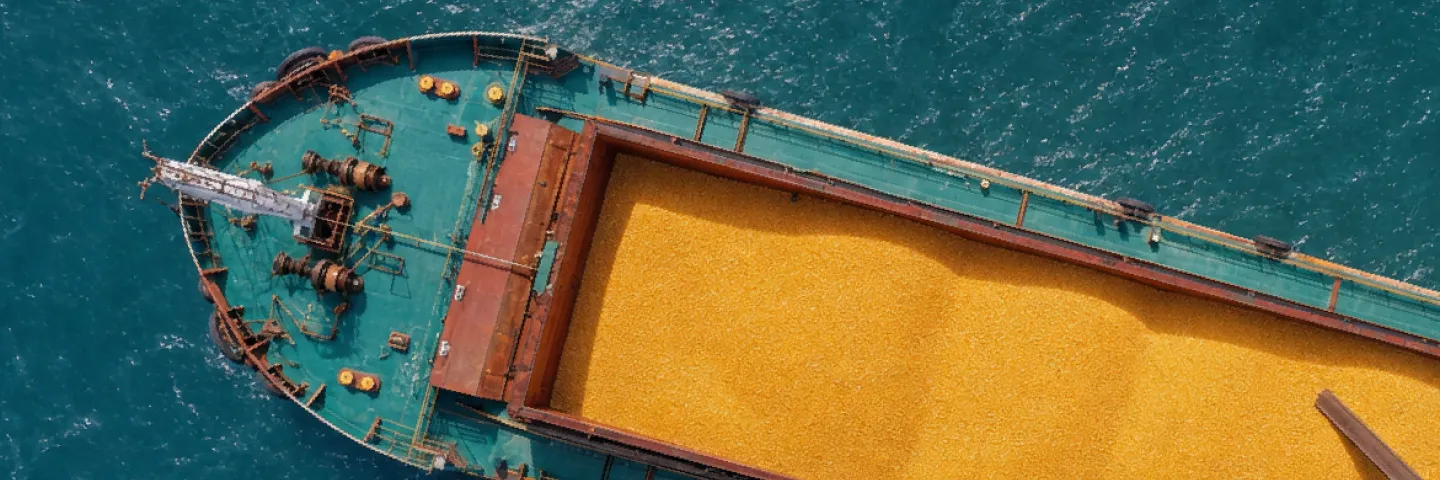
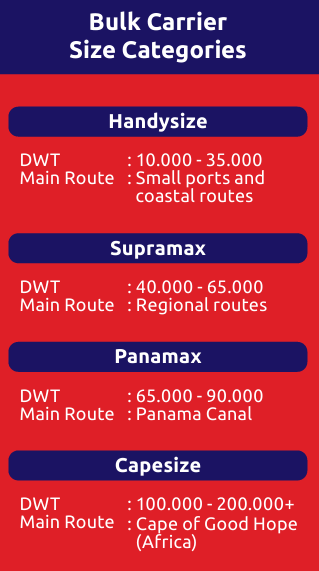
A bulk carrier is a cargo ship used to transport unpackaged dry bulk cargo, such as coal, grain, fertilizer, cement, and rice.
This type of ship began to develop significantly in the 1950s and has continued to advance technologically to the present day. Bulk carriers are identified by large hatches on the deck that are used for loading and unloading.
Reefer Ships (Refrigerated Vessels)
Reefer ships are vessels equipped with a refrigeration system to maintain a stable cargo temperature during shipping.
This type of ship is used to transport products that require a cold chain, such as meat, fish, fruits, vegetables, and even pharmaceutical raw materials. Currently, reefer ships are increasingly being replaced by refrigerated containers (reefer containers) loaded on board regular container vessels.
Roll-on Roll-off (RoRo) Ship
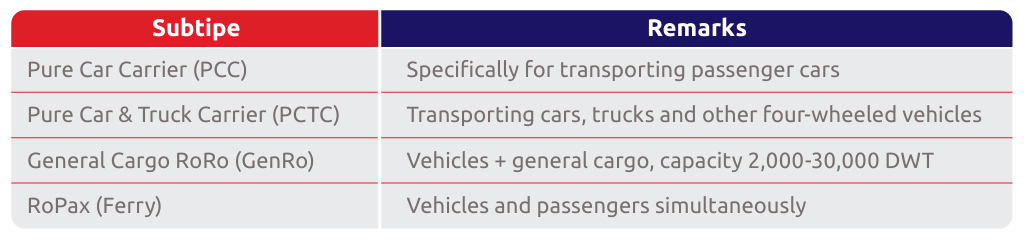
RoRo is a type of vessel specifically designed to transport motorized vehicles. Its distinctive feature is the presence of a loading and unloading ramp, allowing vehicles to enter and exit the vessel directly using their own wheels.
RoRo Ship Category based on the Type of Cargo
Vessel Tanker
Tankers are high-tech vessels used to transport large quantities of liquid cargo, including crude oil, petroleum products, liquefied natural gas (LNG), liquefied petroleum gas (LPG), and industrial chemicals.
Vessel Tanker Category based on the Type of Cargo
Oil Tanker, transporting crude oil or petroleum products.
Gas Tanker, more advanced technology with special pressure tanks.
Chemical Tanker, transporting liquid chemicals in accordance with the International Maritime Organization (IMO) Type I, II, or III standards.Dredger
A dredger is a vessel equipped with specialized excavation equipment to lift and remove sand, mud, or other materials from the seabed or riverbed. Their primary functions include maintaining the depth of shipping lanes (navigational dredging), land reclamation, and deep-sea mining. Dredgers play a crucial role in maintaining the operational viability of major ports.
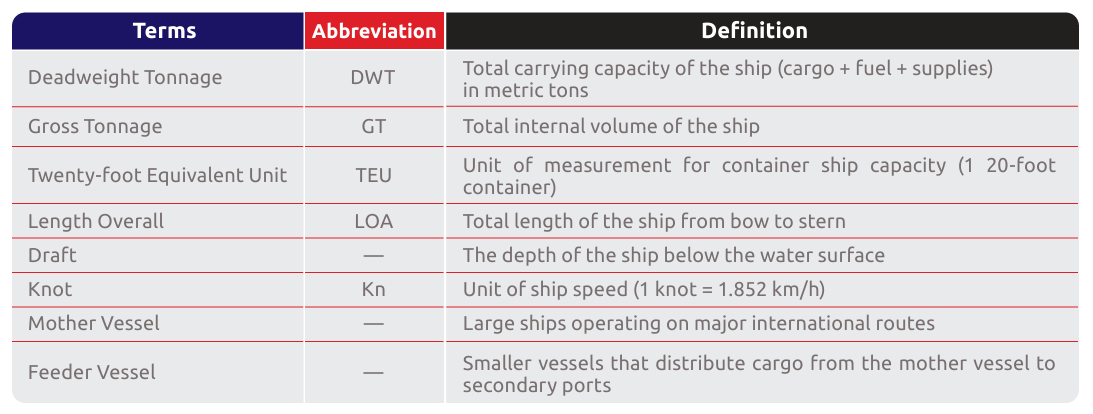
Important Terms in the Vessel World
These terms play an important role in voyage planning, cargo allocation, port operations, freight calculations, and safety management.
Every vessel serves a different purpose in the shipping industry. Some are designed to carry large volumes of containers, while others are built to transport liquid cargo, dry bulk commodities, or specialized goods. Choosing the right vessel is therefore an important part of the logistics process, as it can affect transportation efficiency, cargo safety, delivery schedules, and overall costs.
With a better understanding of vessel types and commonly used maritime terms, businesses can make more informed decisions, streamline their supply chain operations, and manage the challenges of international trade more effectively.
For more information about MSIG Indonesia’s insurance products, please visit our official website at www.msig.co.id or call our contact center at 1500 674 (MSI) to find comprehensive information and interactive services.