


 Hotline Call Centre: 1500 674 (MSI)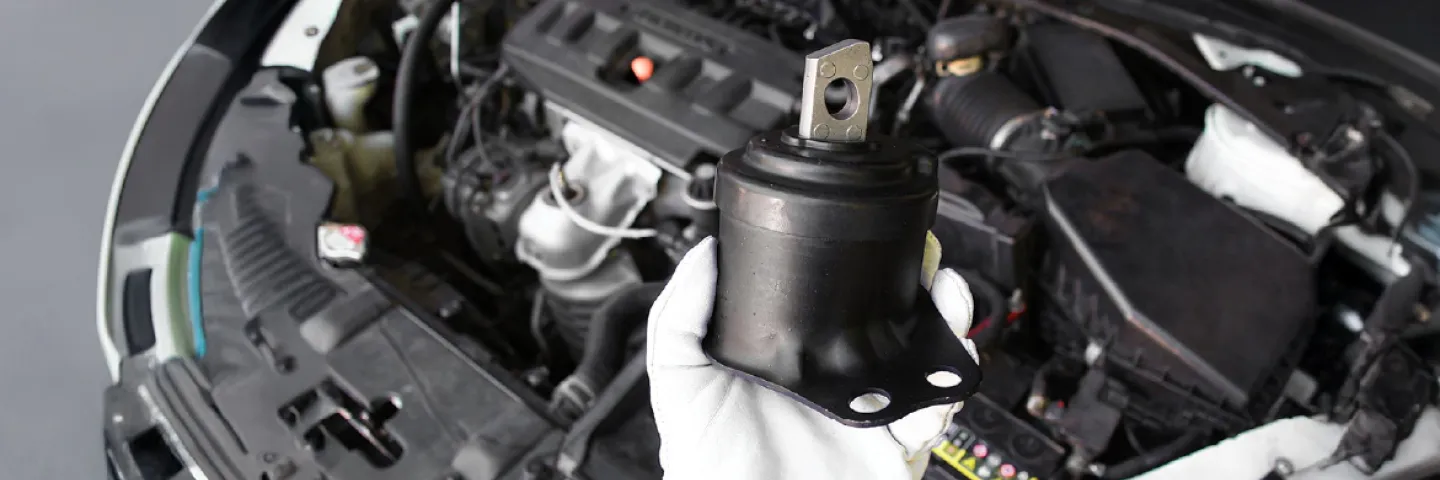
A car engine mounting is an essential component that supports the engine and absorbs vibrations, keeping the cabin comfortable. While many drivers focus on suspension, engine mounting plays a crucial role in vehicle performance and ride comfort. To further understand the function and importance of engine mountings, here are a few things you should know:
Engine Mounting Main Function
- Stability : Supporting the engine to keep it stable.
- Vibration Dampening : Absorbing engine vibrations.
- Noise Isolation : Reduces engine noise inside the cabin.
- Safety : Maintaining engine position during acceleration or braking.
Types of Car Engine Mounting
- Rubber Mount : Affordable, easy to maintain, effective at reducing vibrations, but may crack over time.
- Hydraulic Mounting : Provides smoother damping with hydraulic fluid, ideal for modern cars, but sensitive to leaks.
- Active Mounting : Electronically controlled, automatically adjusts damping (typically found in premium vehicles).
Signs of a Damaged Engine Mounting
Have your vehicle inspected immediately if you notice the following signs:
- Severe Vibrations : Excessive vibration in the cabin.
- "Abnormal" Noise : “Thumping” noise during acceleration.
- Engine Position Tilting : The engine appears tilted when the hood is opened.
- Harsh Jerking : Hitches felt during gear shifting.
Ignoring these issues can reduce engine performance, increase fuel consumption, and damage other components.
Causes
Service life (typically over 5 years), frequent driving on rough or uneven roads, or oil leaks that can damage the rubber parts.
Impact of Damage
If left unchecked, the damage can spread to other components, such as stretched radiator hoses, exhaust leaks, and even transmission failure.
Tips for Maintaining the Car Engine Mounting
- Drive Smoothly : Avoid sudden acceleration and braking and reduce driving fast on rough or uneven roads.
- Check for Oil Leaks : Watch for oil leaks around the engine mounting, as they can cause the rubber to deteriorate or break prematurely.
- Replace as a Complete Set : Perform regular service; check the rubber condition and engine position.
- Use Genuine Spare Parts : Use original or OEM parts for optimal durability.
In conclusion, regular checks of the engine mounts during routine service can help maintain the vehicle’s performance whilst minimising the risk of damage to other drivetrain components.
Hopefully, the above information enriches your knowledge about engine mounting on a vehicle. For more information about MSIG Indonesia’s insurance products, please visit our official website at www.msig.co.id or call our contact center at 1500 674 (MSI) to find comprehensive information and interactive services.