

 Hotline Call Centre: 1500 674 (MSI)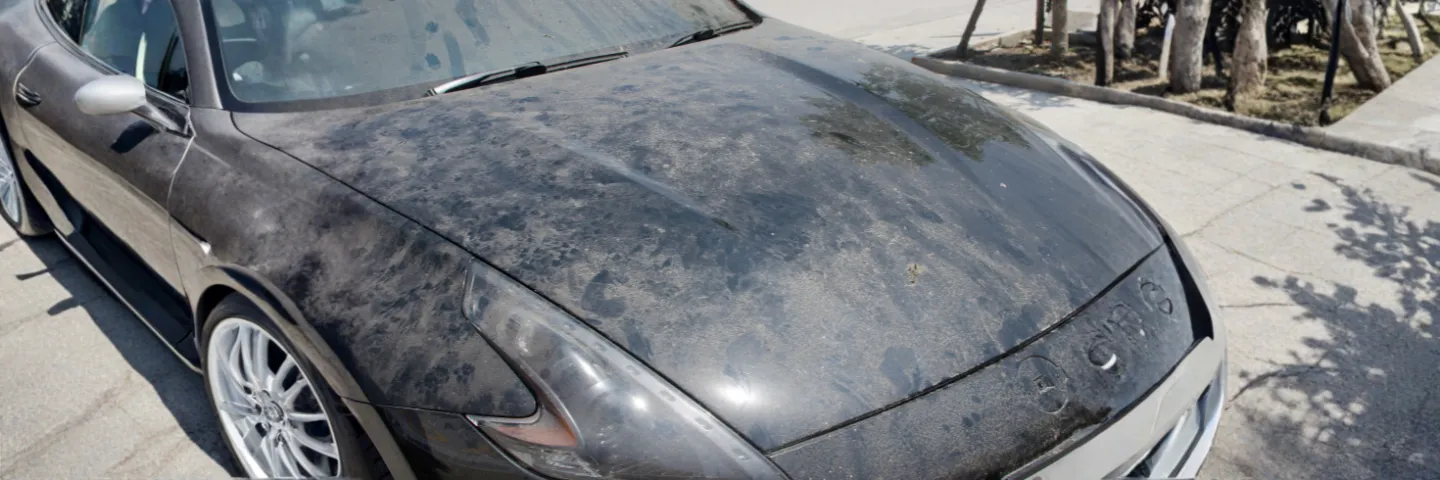
When a car is exposed to volcanic ash, most vehicle owners only focus on removing the layer of ash covering the bodywork and windows. While cleaning the exterior is important, there are other concerns that are often overlooked.
Volcanic ash is made up of extremely fine particles that can enter various vehicle components. Beyond affecting a car's appearance, volcanic ash may also impact the engine system, air filters, air conditioning system, and other components related to driving comfort and safety.
In addition, volcanic activity can release gases such as sulfur dioxide (SO₂). Under certain conditions, these gases can react with moisture in the air and may accelerate corrosion on certain vehicle materials if exposure occurs over an extended period.
After learning about the impact of volcanic ash on vehicles, you may also be interested in reading our article, 5 Fuel-Saving Tips for Toll Road Driving, to discover more practical vehicle maintenance and driving insights.
More Than Washing Your Car: Steps to Take After Exposure to Volcanic Ash
Vehicle care after volcanic ash exposure goes beyond simply washing the exterior. The following measures can help maintain your vehicle's condition and performance.
1. Avoid Starting the Engine Immediately if Heavy Ash Has Accumulated
If your vehicle has been parked for an extended period in an ash-affected area, perform a quick visual inspection before starting the engine.
Check for excessive ash accumulation around ventilation openings and under the hood. This simple precaution may help reduce the risk of ash particles being drawn into the vehicle's systems.
2. Use the Recirculation Mode on Your Air Conditioning System
When driving through areas still affected by volcanic ash, switch your air conditioning system to recirculation mode.
This setting helps minimize the amount of ash entering the cabin and may reduce the burden on the cabin air filter.
3. Reduce Speed While Driving
Volcanic ash suspended in the air can reduce visibility. Vehicles traveling at higher speeds may also create additional dust clouds, making visibility even worse.
Driving at a moderate speed and maintaining a safe following distance can help improve safety in these conditions.
4. Avoid Non-Essential Travel
If ashfall is still ongoing, consider limiting vehicle use until conditions improve.
The more frequently a vehicle is driven through ash-contaminated areas, the greater the chance that fine particles will enter critical components and systems.
5. Inspect Filters and Other Components More Frequently
After passing through areas affected by volcanic ash, consider checking the engine air filter, cabin filter, and other exposed components sooner than usual.
Early inspections can help identify ash buildup before it affects vehicle performance and may help maintain key systems’ reliability.
Volcanic ash is not simply an aesthetic issue. Fine airborne particles can affect important vehicle components, including engine air filters, air conditioning systems, wheel assemblies, and braking components. For this reason, after exposure to volcanic ash, vehicle owners should pay attention not only to their cars’ exterior appearance but also to the components that contribute to performance, reliability, and driving safety.
Vehicle-related risks can arise at any time. That is why Motor Vehicle Insurance by MSIG Indonesia offers protection designed to help safeguard your vehicle. With the right coverage in place, you can enjoy greater peace of mind wherever the road takes you. Learn more about our vehicle insurance solutions and speak with one of our representatives for further assistance.