

 Hotline Call Centre: 1500 674 (MSI)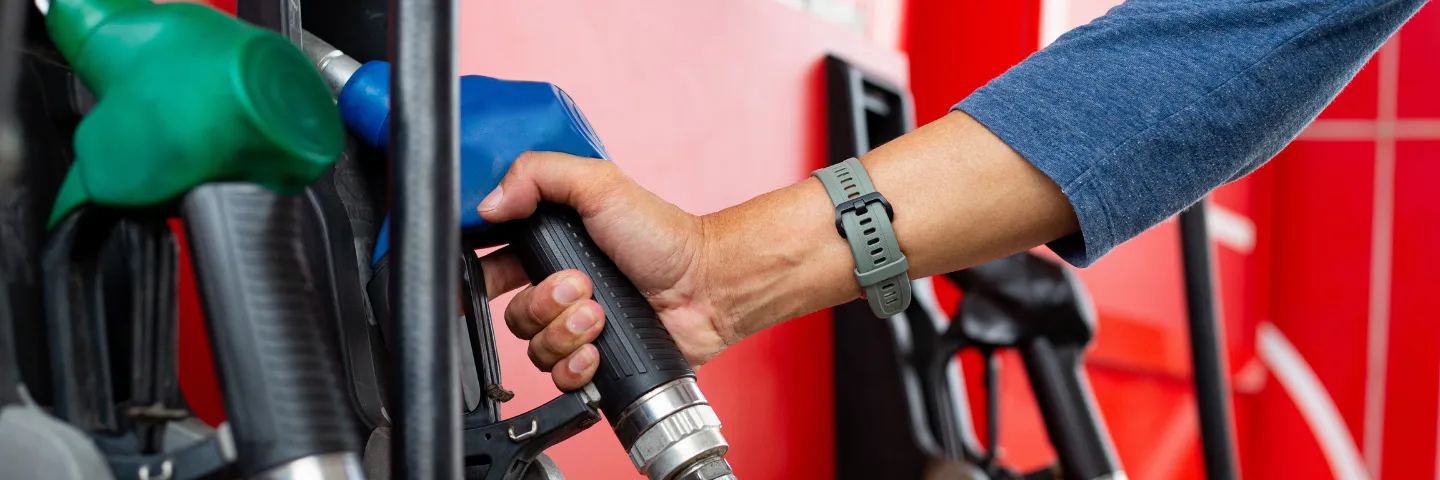
The steady increase in fuel prices has become a concern for many vehicle owners. Amid rising fuel prices, daily mobility costs are becoming more noticeable, encouraging drivers to look for practical ways to manage fuel consumption more efficiently. Small changes in driving behaviour can make a meaningful difference in reducing overall fuel expenses.
Fuel efficiency is influenced not only by vehicle condition but also by how it is driven daily. Many drivers are unaware that certain habits place additional strain on the engine, resulting in higher fuel usage over time. Building more mindful driving habits helps maintain better fuel efficiency while supporting smoother vehicle performance.
In addition to driving behaviour, regular vehicle maintenance plays an important role in ensuring optimal performance. A well-maintained vehicle operates more efficiently and helps reduce unnecessary fuel consumption. For electric vehicle owners, you may also find our article 5 Home Maintenance Checklist for Electric Cars to Keep Them Durable and Comfortable to Drive.
5 Driving Habits That Reduce Fuel Efficiency
Amid rising fuel prices, being aware of habits that impact fuel consumption is essential. Avoiding the following behaviours can help improve fuel efficiency and reduce unnecessary fuel costs.
1. Accelerating Too Aggressively
Pressing the accelerator too hard when starting to move causes the engine to burn more fuel in a short amount of time. Gradual acceleration allows the vehicle to build speed more efficiently and supports better fuel economy.
2. Frequently Changing Speed
Constant changes in speed force the engine to adjust power output repeatedly. This leads to higher fuel consumption compared to maintaining a steady driving pace. Smooth and consistent driving helps improve fuel efficiency over time.
3. Idling for Extended Periods
Leaving the engine running while the vehicle is stationary continues to consume fuel even when no distance is being covered. Turning off the engine during long stops helps reduce unnecessary fuel usage.
4. Carrying Excess Weight
Additional weight increases the engine's workload, requiring more energy to move the vehicle. Removing unnecessary items from the car can help improve fuel efficiency and reduce fuel consumption.
5. Ignoring Tire Pressure
Incorrect tire pressure increases rolling resistance, forcing the engine to work harder. Regularly checking and maintaining proper tire pressure supports better fuel efficiency and overall driving comfort.
As fuel prices continue to rise, adopting better driving habits can help reduce daily transportation costs. Simple adjustments such as maintaining steady speeds, avoiding aggressive acceleration, and keeping the vehicle in good condition contribute to more efficient fuel usage without affecting driving comfort.
In addition to efficient driving practices, vehicle protection is also an important consideration for maintaining peace of mind on the road. Motor Vehicle Insurance from MSIG Indonesia provides reliable protection to support safer and more secure daily driving experiences.
With the right coverage, every journey becomes more comfortable and confident. Learn more about our motor vehicle insurance solutions and connect with our marketing team for further assistance.