


 Hotline Call Centre: 1500 674 (MSI)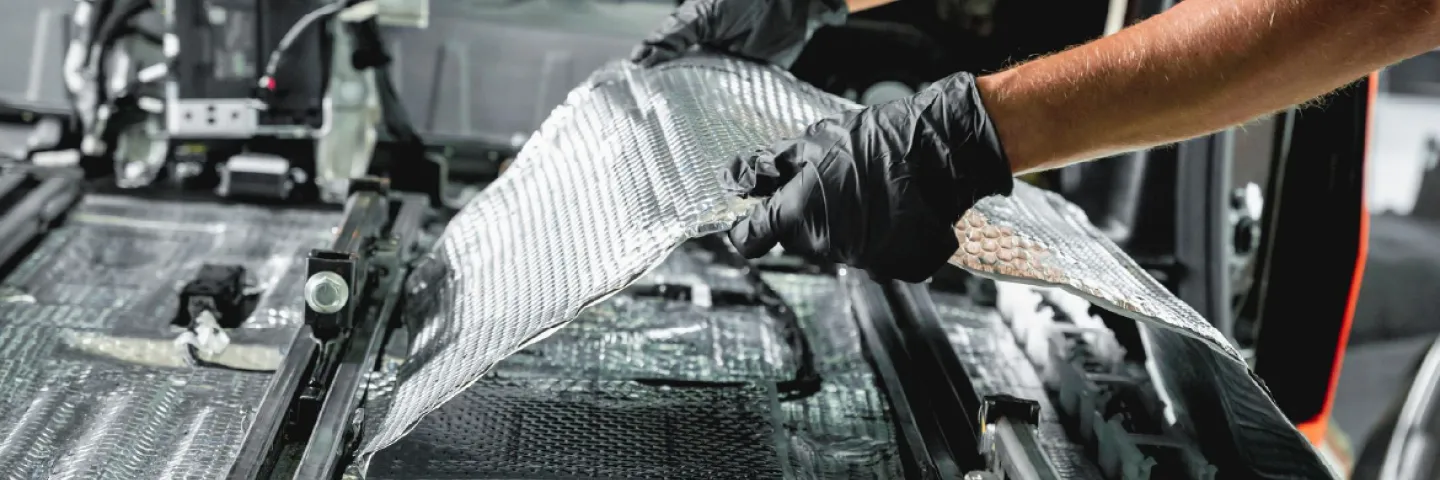
Car soundproofing materials are used to improve driving comfort by reducing noise, vibration, and heat inside the cabin. They also help improve the quality of the car’s audio system, making the cabin quieter and more comfortable.
Most vehicles are equipped with factory-installed insulation at certain points, such as the floor, dashboard panel, and engine hood. However, many car owners choose to add aftermarket insulation in areas such as the inside of door trims, the roof lining, and other parts of the vehicle to enhance comfort further.
Types of Car Soundproofing
- Sound Insulation. Sound insulation is designed to reduce outside noise and minimize echoes inside the cabin. Common materials include butyl rubber, asphalt sheets, and acoustic foam. These materials are usually installed on the doors, floor, trunk, and firewall. As a result, road noise, tire sounds, and engine noise become much quieter.
- Heat Insulation. Heat insulation helps keep the cabin cool, especially when the car is parked under direct sunlight. Materials such as aluminum foil foam and glass wool are commonly used. They are usually installed under the hood, on the roof, and on the floor of the car. This helps maintain a stable cabin temperature and reduces the air conditioner's workload.
- Vibration Dampening. Vibration dampening materials reduce vibrations and humming noises from the car's body panels. These materials are commonly made from EPDM rubber. After installation, the car feels more solid, and the sound of closing the doors becomes softer and smoother.
- Combination Insulation. Combination insulation combines soundproofing, heat insulation, and vibration damping in a single material. This type is commonly used in premium cars because it provides maximum comfort. Although it is more expensive, it offers better overall performance and a quieter, cooler cabin.
Types of Materials Used
- Butyl Rubber. Lightweight, flexible, heat-resistant, and highly effective for vibration reduction.
- Asphalt-Based Material. More affordable and effective at reducing noise, but heavier than other materials.
- Foam/Jelly Material. Lightweight and effective at absorbing high-frequency sounds.
- Aluminium Foil. Mainly used for heat insulation.
Installation Areas and Their Functions
- Doors: Reduce outside noise and improve audio quality.
- Floor and Fender Areas: Reduce road vibrations and engine noise.
- Roof/Ceiling: Reduce heat from sunlight and noise from rain.
- Engine Hood: Reduce engine heat and prevent engine noise from entering the cabin.
In conclusion, car soundproofing materials play an important role in improving cabin comfort. The type of insulation used depends on the driver’s needs and budget. Basic sound insulation is sufficient for reducing cabin noise, while a combination of sound, heat, and vibration insulation provides the best overall comfort and driving experience.
As a general provision, if a vehicle is already equipped with factory-standard insulation but is subsequently modified or upgraded with non-standard insulation, such changes must be reported to the insurance company for further review. Any modifications to the vehicle’s specifications will be assessed in accordance with the applicable terms and policies.
Protect your vehicle with Motor Vehicle Insurance from MSIG Indonesia, which is designed to provide optimal protection throughout every journey, subject to the terms, conditions, and provisions of the applicable Indonesian Motor Vehicle Insurance Policy.
Hopefully, the above information enriches your knowledge about car soundproofing materials. For more information about insurance products offered by MSIG Indonesia, please visit the official website at www.msig.co.id or contact the customer service center at 1500 674 (MSI) for comprehensive information and interactive assistance.