

 Hotline Call Centre: 1500 674 (MSI)
Did You Know? - Salvage Procedures in Marine Cargo Insurance: Transfer of Ownership, Economic Considerations, and Post-Claim Asset Handling
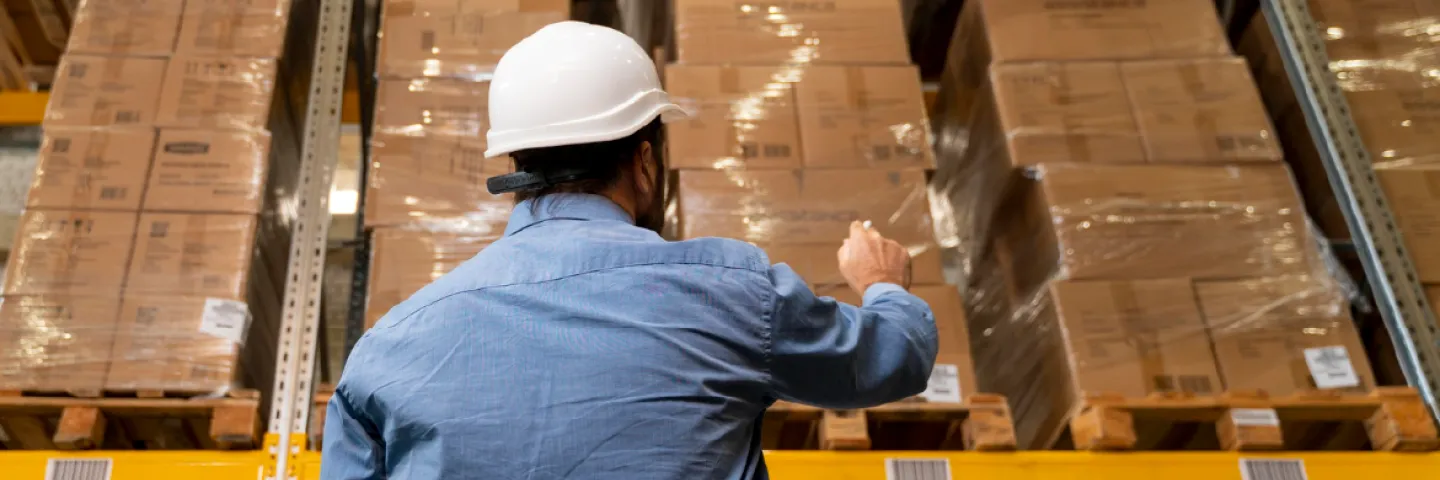

In the settlement of international Marine Cargo Insurance claims, the compensation process does not end with the payment of indemnity to the Insured. One of the legal and operational procedures that must be carried out following a Total Loss or Constructive Total Loss is the handling of salvage (the residual value of damaged goods).
For exporters and importers, understanding asset ownership status, Insurers’ prerogative rights, and legal limitations concerning goods that have been subject to a claim is essential to avoid misunderstandings and potential breaches of policy terms.
Legal Definition and Salvage Mechanism
In insurance law, salvage refers to cargo, commodities, or remnants of goods that retain some economic value after suffering damage during transit. When an Insurer agrees to pay full compensation for damaged goods, the Principles of Subrogation and Abandonment Rights (Notice of Abandonment) generally apply.
Under these principles, the legal ownership of the damaged goods is transferred from the Insured (cargo owner) to the Insurer. The payment of the claim serves as compensation for the loss of use and value suffered by the Insured. Consequently, the Insurer may legally take possession of the remaining cargo and seek to mitigate its financial loss through secondary sale or disposal.
Insurer’s Prerogative Right: Refusal to Take Salvage That Is Not Economically Viable
A critical aspect often overlooked by exporters and importers is that Insurers have full discretion to decline to take possession of damaged goods. The transfer of salvage ownership is not an automatic obligation for the Insurer, but rather an optional right.
Before deciding whether to take possession of salvage, Insurers typically conduct a cost-benefit analysis. If the analysis indicates that the salvage is not economically viable, the Insurer may elect not to take ownership. Such situations generally arise due to the following factors:
- High Logistics and Storage Costs
If the costs associated with removing damaged goods from the incident location, securing storage facilities, and transporting the goods to an auction or disposal site exceed the estimated resale value of the salvage. - Expensive Disposal Costs
For hazardous cargo, perishable commodities, or contaminated goods, disposal may require specialized waste-management procedures that are both costly and subject to strict environmental regulations. - Low Secondary Market Value
Highly specialized or customized goods (such as made-to-order industrial machinery components) often have little or no resale value in the open market.
If the Insurer decides not to take possession of the salvage, ownership and responsibility for the damaged goods remain with the Insured. In such cases, the Insurer may still indemnify the claim in accordance with policy terms, either by deducting the estimated residual value of the goods from the claim payment; or by paying the claim in full while requiring the Insured to arrange and bear the costs of disposal.
Operational Procedures for Handling Damaged Cargo
Once the claim has been approved and a decision regarding salvage has been made, the handling of damaged cargo should follow the formal procedures below:
- Assessment by an Independent Marine Surveyor
Prior to either acceptance or rejection of salvage, an independent marine surveyor will inspect the cargo to determine the extent of damage and assess whether any residual or secondary market value remains. This assessment provides an objective valuation and serves as a basis for the Insurer’s decision-making process. - Prohibition of Unauthorized Retention by the Exporter or Importer
If the Insurer elects to take possession of the salvage, the exporter or importer is not legally permitted to retain, use, or sell the damaged goods. Any sale or disposal of salvage without the Insurer’s prior written authorization may constitute a breach of policy conditions and could expose the Insured to legal action for unauthorized disposal or conversion of assets. - Sale Through Salvage Platforms or Official Tender Processes
Where the Insurer assumes ownership of the salvage, the goods are typically transferred to a designated storage facility and sold to specialized salvage buyers through open tenders or dedicated salvage platforms. Any proceeds generated from the sale belong entirely to the Insurer and are applied to reduce the Insurer’s net claim cost.
Special Consideration: Brand Protection
For exporters and importers dealing in branded products such as consumer electronics, cosmetics, fashion apparel, or retail merchandise, the resale of damaged goods in the open market may adversely affect brand reputation and market perception. To address this concern, the following standard measures may be incorporated into the salvage process:
- Brand/Label Clause: The Insured may request that the Insurer remove or destroy all labels, trademarks, logos, and other brand identifiers from damaged goods before they are sold to third parties.
- Certificate of Destruction: Where damaged goods are deemed hazardous or where any resale could negatively impact the product’s brand image or exclusivity, the Insurer may authorize complete destruction of the goods. Such destruction is typically witnessed by the relevant authorities or appointed representatives, and a Certificate of Destruction is issued as evidence of proper disposal. In these circumstances, no salvage recovery process takes place.
By understanding the salvage process, exporters and importers can better understand the rights and responsibilities of each party throughout the claims settlement process. This knowledge also helps minimize the potential for disputes and supports the proper handling of post-claim assets in accordance with the policy terms and applicable regulations.
Hopefully, the above information enriches your knowledge about salvage procedures in Marine Cargo Insurance. For more information about MSIG Indonesia’s insurance products, please visit our official website at www.msig.co.id or call our contact center at 1500 674 (MSI) to find comprehensive information and interactive services.