


 Hotline Call Centre: 1500 674 (MSI)
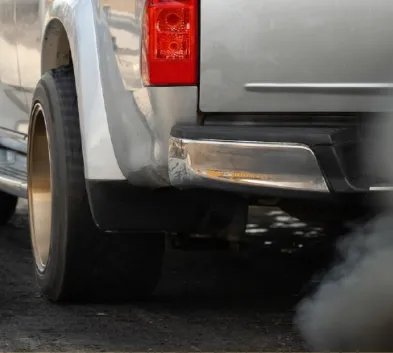
Diesel engines are known for their exceptional durability and efficiency; however, behind that powerful performance lies a technical phenomenon that is greatly feared: a condition in which the engine spins out of control until it reaches a point of catastrophic failure. To get a comprehensive understanding of this matter, here are a few key points to pay attention to:
The Mechanism Behind the Runaway Phenomenon
Diesel runaway is an anomalous condition in which a diesel engine receives an additional energy supply not derived from the normal fuel injection system. Diesel engines operate on the principle of high compression. As engine RPM increases, more oil is drawn into the combustion chamber, creating a self-destructive cycle characterized by an extremely loud engine roar exceeding the redline and a thick plume of white smoke enveloping the entire vehicle.
Main Causes and Triggers of System Failure
- The primary cause is often damage to turbocharger components. Worn turbo shaft seals allow lubricating oil to leak into the intake manifold and be drawn into the combustion chamber.
- Filling the engine with oil beyond its maximum capacity causes excess pressure, forcing oil vapor into the combustion chamber through the Positive Crankcase Ventilation (PCV).
- Lack of routine maintenance of the filtration system, neglecting oil leaks in the engine area, and ignoring service schedules and the replacement of parts that have reached the end of their service life.
Emergency Measures
- Stay calm, as panicking will only make the situation worse.
- For vehicles with manual transmissions, the most effective method is to shift into the highest gear (5th or 6th), apply the brakes firmly, and then release the clutch abruptly to force the engine to stop.
- If the vehicle has an automatic transmission, the only mechanical method is to block the air intake using a solid object or thick cloth to deprive the engine of oxygen for combustion.
In conclusion, having your vehicle checked during every routine service is not merely a matter of maintenance, but a small investment that can prevent more serious damage to engine components down the line.
Hopefully, the above information enriches your knowledge about diesel runaway. For more information about MSIG Indonesia’s insurance products, please visit our official website at www.msig.co.id or call our contact center at 1500 674 (MSI) to find comprehensive information and interactive services.