While You Skip a Drink during Fasting, Make Sure Your Car Hydrated by Regularly Changing the Radiator Coolant

As the month of fasting approaches, daily routines begin to change. Motor vehicles, such as cars, continue to be used for work, worship, and various other activities, so their condition must always be maintained in top shape. One important aspect that is often overlooked is the engine cooling system. Radiator coolant plays a crucial role in keeping the engine temperature stable, allowing the vehicle to be used comfortably and safely throughout every journey.
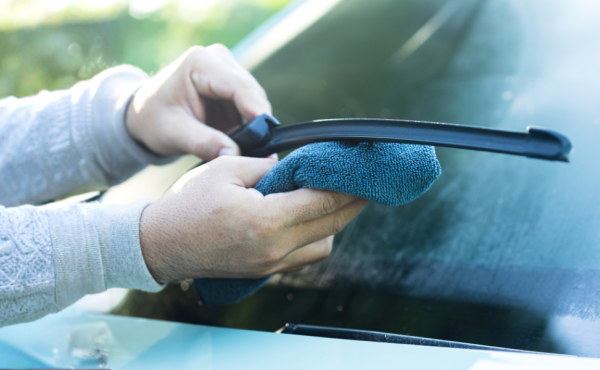
Vehicle maintenance not only ensures the engine performs optimally but also supports driving safety and comfort. Other components, such as the visibility system, should also be regularly checked. To learn how to maintain clear visibility, you can read the related article at https://www.msig.co.id/lifestyle-library/when-replace-your-car-wipers-and-how-maintain-clear-visibility-while-driving before continuing with the following discussion about radiator coolant.
When to Replace Radiator Coolant and Its Benefits
Radiator coolant should be replaced when the quality of the coolant begins to deteriorate, and it no longer functions optimally to maintain engine temperature. Signs may include a change in the color of the coolant, a decrease in fluid volume, and the engine temperature rising more quickly than usual.
Additionally, you can monitor coolant condition using the dashboard temperature gauge. If the needle approaches or exceeds the normal range faster than usual, it may indicate that the coolant is losing effectiveness. Regular radiator coolant replacement ensures the cooling system works properly, supports engine performance, and prevents component damage that could compromise driving comfort.
1. Maintains stable engine temperature
Replacing radiator coolant regularly ensures the cooling system absorbs and releases engine heat effectively. Clean coolant supports smooth circulation, keeping the engine within a safe operating temperature throughout your journeys.
2. Supports optimal engine performance
A well-maintained cooling system directly improves engine efficiency. Stable engine temperature impacts vehicle performance, keeping your car comfortable for daily use, including long drives during the fasting month.
3. Reduces the risk of cooling system issues
Routine radiator coolant replacement prevents the buildup of dirt or residues within the cooling system. Smooth coolant circulation ensures all components function properly, reducing the risk of overheating-related engine damage.
4. Prolongs engine lifespan
Optimal engine cooling reduces excessive stress on critical components. Regular radiator coolant replacement helps maintain the engine in prime condition, supports longer vehicle lifespan, and minimizes additional maintenance costs.
5. Ensures consistent driving comfort
An engine operating at an ideal temperature provides a calmer and more comfortable driving experience. A well-maintained car keeps drivers focused and confident on the road, especially when the vehicle is used intensively during the fasting month.
Tips for Replacing Car Radiator Coolant
1. Replace when the engine is cold
Radiator coolant should be replaced when the engine is not hot. This ensures safety and facilitates the removal of old coolant from the system.
2. Use radiator coolant according to manufacturer recommendations
Choosing a coolant that meets the manufacturer’s specifications supports optimal cooling system performance. Correct radiator coolant protects components and ensures stable operation over time.
3. Check hoses and radiator cap
A thorough inspection of hoses and the radiator cap ensure the cooling system is properly sealed. Properly maintained components support smooth coolant flow and prevent leaks.
4. Fill the radiator coolant to the recommended level
The correct coolant volume helps maintain pressure and circulation stability. Proper filling supports the cooling system while the engine operates under various driving conditions.
5. Monitor the temperature gauge after replacement
Observing the engine temperature after replacing radiator coolant ensures the cooling system is functioning optimally. This step confirms the engine remains within a safe operating temperature and the vehicle is ready to drive.
However, vehicle risks can arise from anywhere. Therefore, having Motor Vehicle Insurance from MSIG Indonesia is a solution to provide protection for your car. With the right coverage, you can drive more confidently under various conditions. Learn more about this product and get direct assistance from our marketing representatives.